Table Of Content
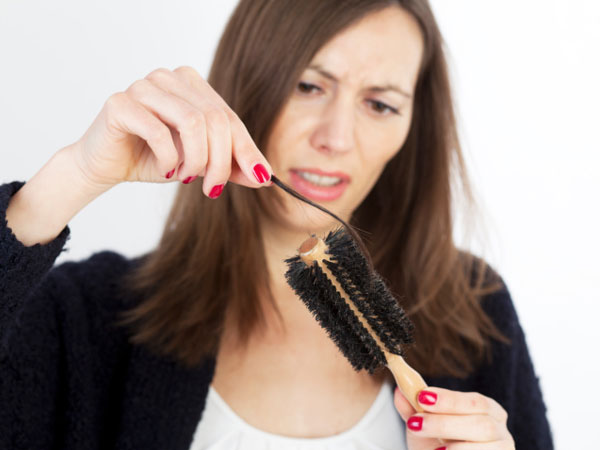
The information in this article will also apply to you if you were assigned female at birth and have never had hormone replacement therapy (HRT). Trans women and trans men who have used HRT may have additional risk factors for hair loss that are not covered here. Other forms of birth control that affect the hormones, such as implants and skin patches, may also cause hair loss. People may experience hair loss while using birth control pills. Others might experience hair loss several weeks or months after they stop taking birth control pills. This usually isn't noticeable because new hair is growing in at the same time.
Iron deficiency anemia
Hair loss during pregnancy is not common, but it is possible. During pregnancy, people are more likely to have conditions that cause hair loss, like hyperthyroidism, hypothyroidism, and iron-deficiency anemia. Treating these conditions can help hair thickness return. In males, hair starts thinning near the top of the head and forms a receding hairline (creating an "M" shape).
Thyroid Disease
The opinions and conclusions expressed in this article are the sponsor's own and do not reflect the views or opinions of KSL.com. Any content on this Site, such as text, graphics, images, information obtained from, or contained on this Site are for informational purposes only. The content is not intended to be a substitute for professional medical advice, diagnosis, or treatment.
Symptoms
This is a procedure in which your doctor removes hair from a part of your scalp where hair growth is full and implants it into an area where hair is thinning. It depends on what type of hair loss you’re experiencing. But if fewer or no strands grow back and you start noticing a receding hairline or thinning areas, you might have alopecia. If you have hair loss due to stress or hormone changes like pregnancy, you may not need treatment.
A doctor may order a blood test if they suspect a hormonal imbalance or nutrient deficiency. See a GP to get an idea about what's causing your hair loss before thinking about going to a commercial hair clinic. The information provided in this article is not a substitute for professional medical advice, diagnosis, or treatment. You should not rely upon the content provided in this article for specific medical advice. If you have any questions or concerns, please talk to your doctor. Hormonal imbalances before, during and after menopause can lead to more permanent hair loss, Dr. Simpson says.

Medical Professionals
During this time, your body produces less estrogen and progesterone hormones. When women go through menopause, they lose the hair protection estrogen once offered, Dr. Rassman says. When the relationship between estrogen and testosterone changes, a condition called age-related hair thinning can occur. This happens in mostly post-menopausal women, but some men can experience it as well if their hormone levels change with age.
However, if your hair is thinning or falling out in clumps, something isn't quite right. Here's how health conditions, stress, and hormonal changes can make your hair fall out—plus what you can do to regrow your hair. Aside from genetic male pattern baldness, men can lose hair as their hormonal composition changes with age.
Hair loss symptoms
Puberty causes fluctuations in hormone levels that can potentially affect hair growth. Pattern hair loss can start immediately after puberty and progress over time. Pattern hair loss is the most common cause of hair loss for men and women. Androgenetic alopecia is a genetic form of hair loss referred to as male-pattern baldness or female-pattern baldness.
The natural aging process is one of the leading causes of hair loss that affects both men and women. Over time, hair growth slows down and hair follicles eventually stop growing hair altogether. These two things in combination cause hair on the head to thin and recede. By the age of 35, two-thirds of American men will experience some degree of hair loss. Among menopausal women, about two-thirds experience hair thinning or bald spots. Baldness can affect both men and women, though male-pattern baldness is more common than female-pattern baldness.

And with new strands growing to take place of the ones lost, most won’t notice a difference. While hair loss isn’t itself dangerous, losing your hair is an emotional experience. Unwanted changes to your appearance can influence your self-esteem and social life. Some people find comfort in talking with a mental health professional if their hair loss causes discomfort. Others may find relief in changing their hairstyle or wearing a wig. A healthcare provider will do a thorough examination and take a detailed history to understand changes in your hair growth.
Some types of hair loss are permanent, especially if you have damage to your hair follicles. For example, anagen and telogen shedding may stop with time. Managing any underlying health conditions improves hair loss. And early treatment of alopecia may reduce the speed of thinning and promote regrowth. A healthcare provider can tell you more about what to expect in your situation.
Losing your hair not only affects your appearance, but it can also cause emotional stress and affect your confidence. There are a few things you can do to help stop hair loss, though. Your shorter hairs — like eyelashes, arm and leg hair, and eyebrows —have a short anagen phase (about one month). Your scalp hair can last up to six years or even longer. “Dermatologists can help women win the fight against common forms of hair loss.” News release issued March 4, 2010.
Best hair growth serums 2024 UK - Good Housekeeping uk
Best hair growth serums 2024 UK.
Posted: Tue, 16 Apr 2024 07:00:00 GMT [source]
Genetics play the largest role in how susceptible you are to androgenetic alopecia (also known as male pattern baldness), which is the most common form of hair loss. But before you play the blame game, know that these genes can come from both your paternal and maternal side. Hair loss can range in severity from mild thinning of the hair to having a receding hairline or going completely bald. The average person loses up to 100 hairs per day, so it’s natural to lose hair, but many people will experience more hair loss than this.
A few months after giving birth, recovering from an illness, or having an operation, you may notice a lot more hairs in your brush or on your pillow. This can also happen after a stressful time in your life, such as a divorce or death of a loved one. In women, the first noticeable sign of hereditary hair loss is usually overall thinning or a widening part.
Hair from the scalp, as well as eyebrows and eyelashes, may fall out in small chunks. Treatment for this condition depends on the cause but may include a topical solution of minoxidil (Rogaine). You'll soon start receiving the latest Mayo Clinic health information you requested in your inbox. There are multiple reasons (including physical and psychological) that can cause you to shed more hair than usual.


No comments:
Post a Comment